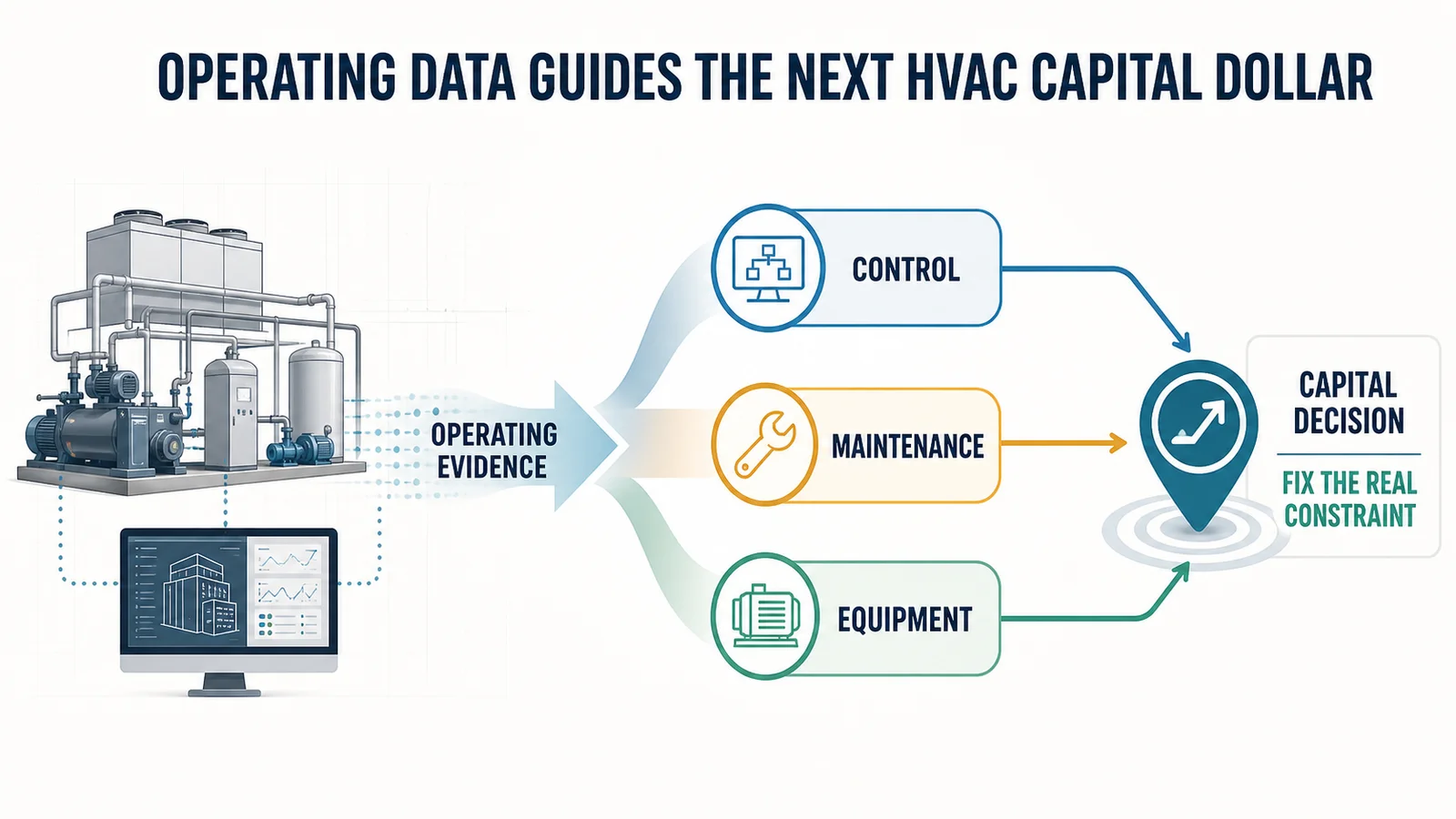
Operating Data Should Guide the Next HVAC Capital Dollar
Aug 12, 20264 min read
HVAC operating data can separate control, maintenance, and equipment constraints so owners can direct capital toward the upgrades that will create the most value.
Field Notes
HVAC operating data can separate control, maintenance, and equipment constraints so owners can direct capital toward the upgrades that will create the most value.
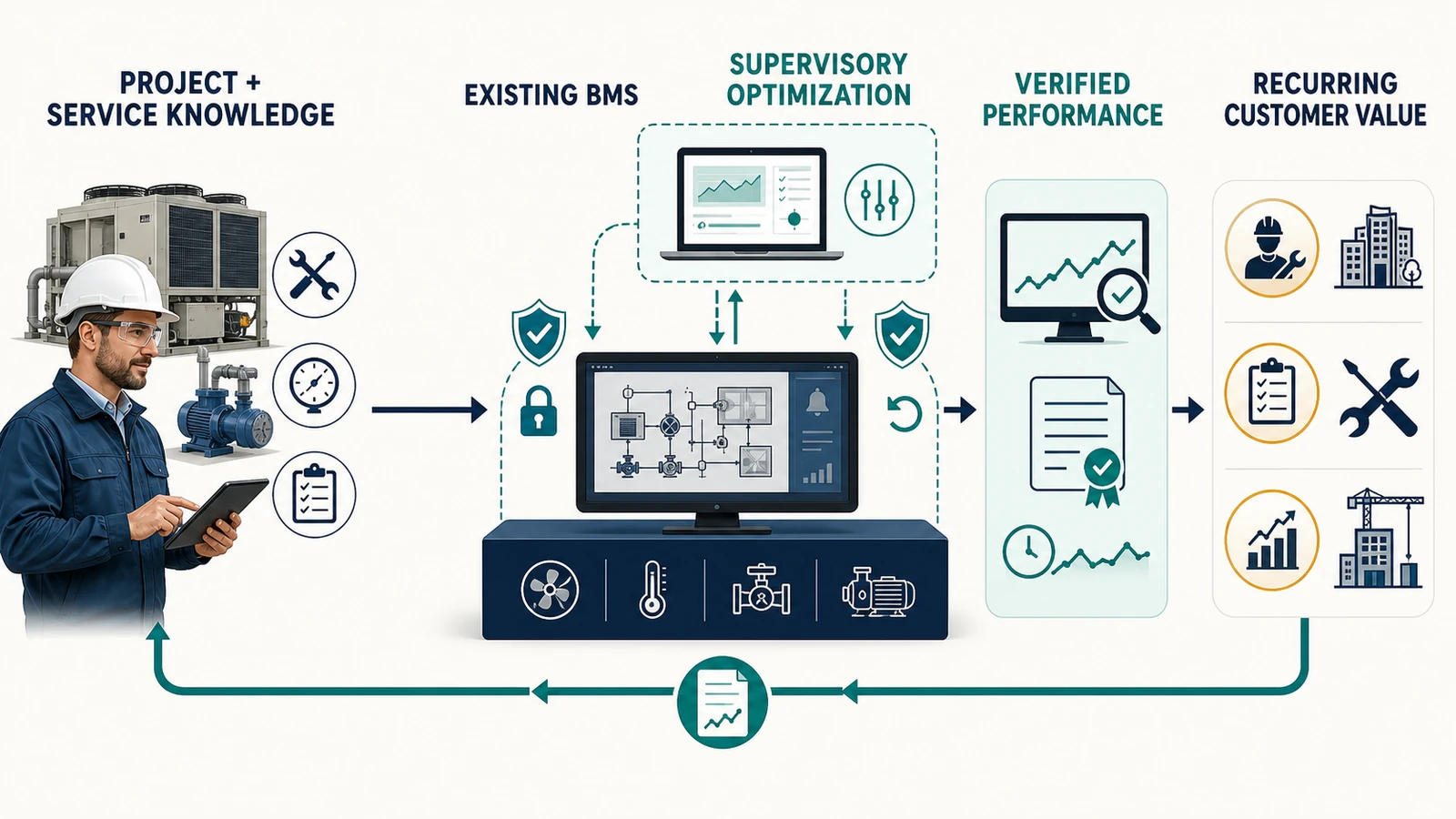
Mechanical contractors can extend trusted project and service relationships into ongoing HVAC performance through bounded BMS supervisory control and verified results.
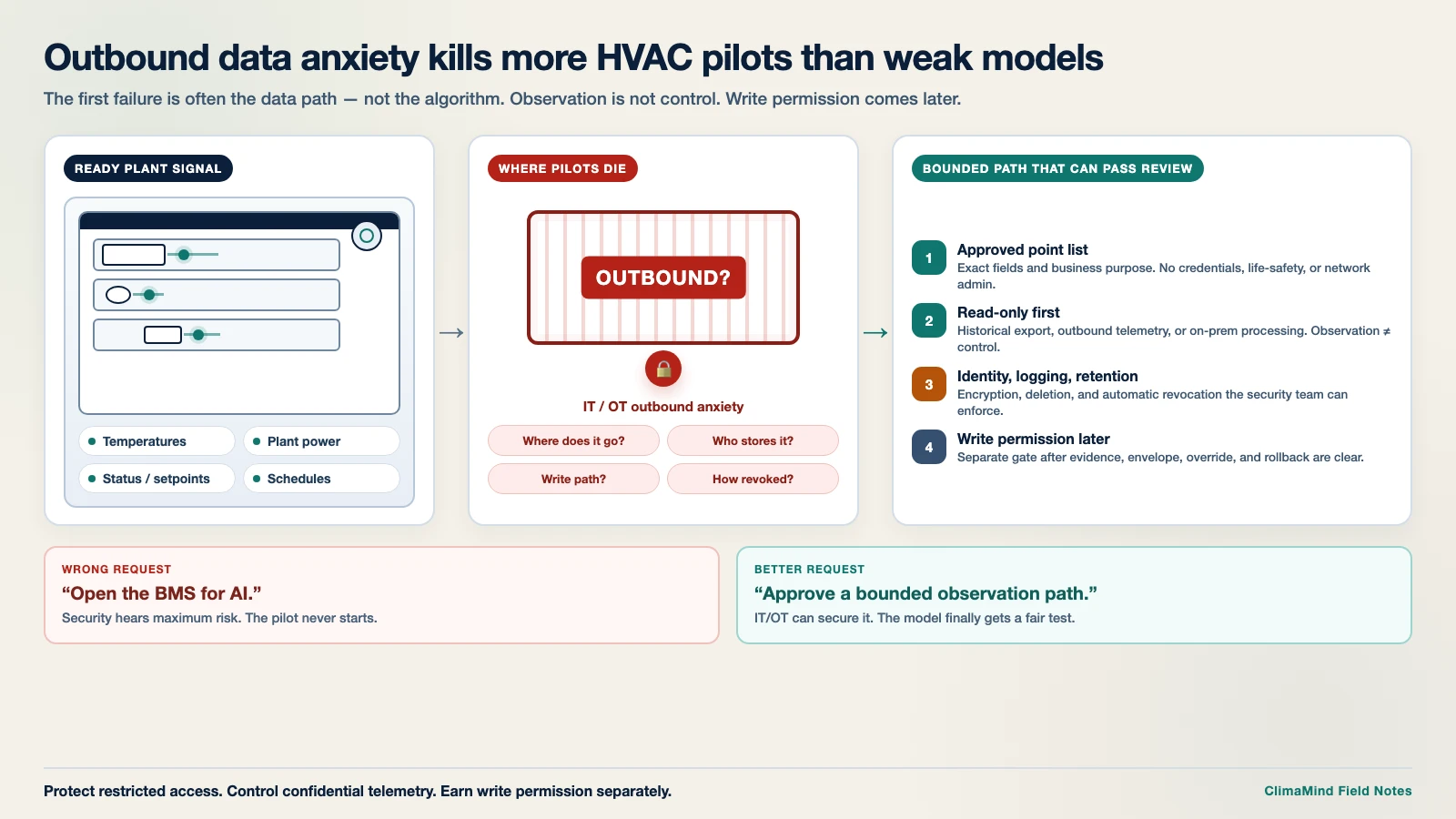
HVAC optimization pilots often stall when IT and OT cannot approve a bounded outbound data path, not because the control model is too weak.
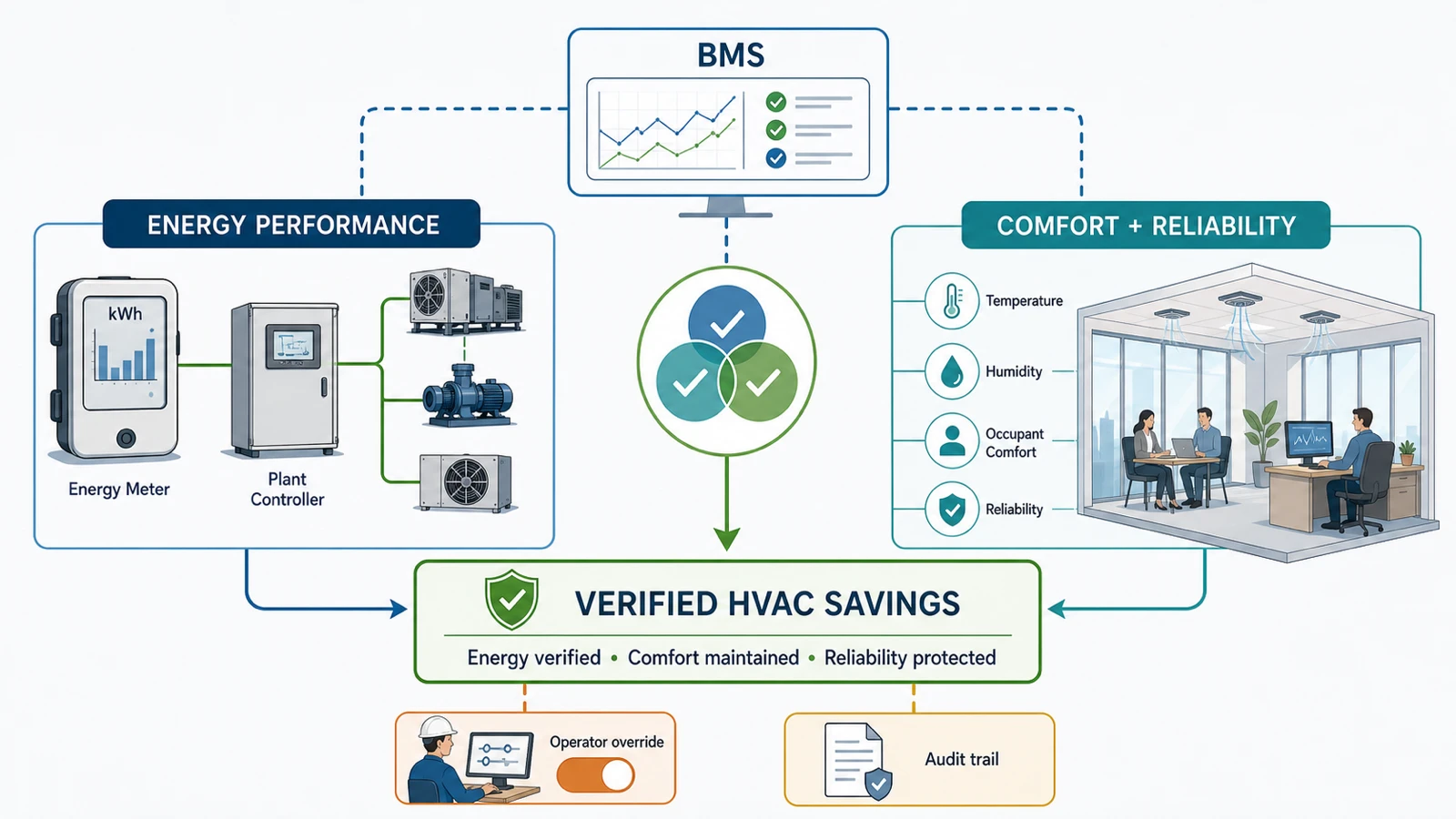
HVAC savings should be accepted only when the building also meets agreed comfort and reliability conditions.
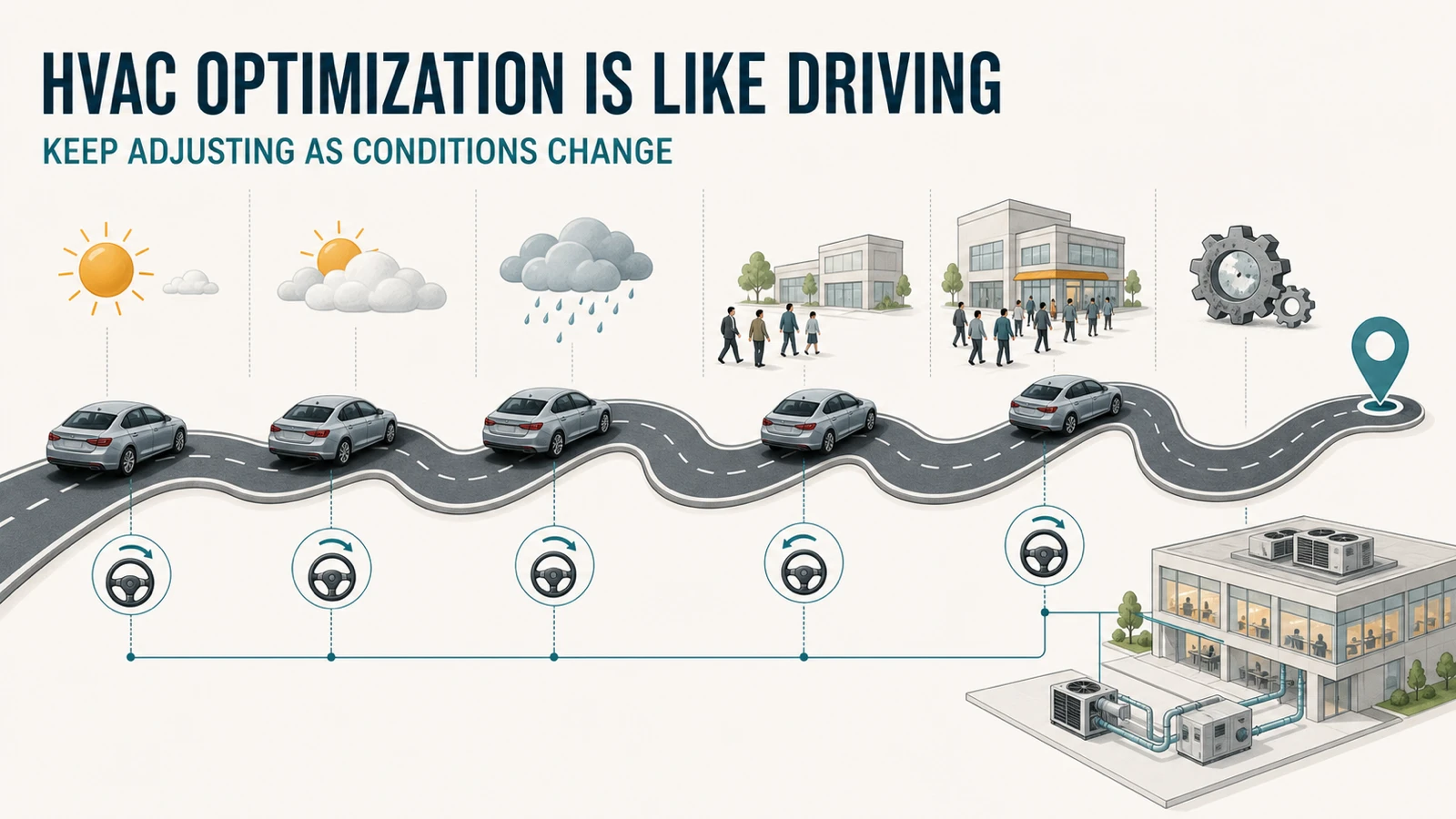
HVAC optimization is an ongoing operating process because weather, occupancy, building use, and equipment conditions keep changing.
ClimaMind gives triple-net property owners a better-performing asset at no cost, lowers the tenant's energy bill, and earns only from verified savings.

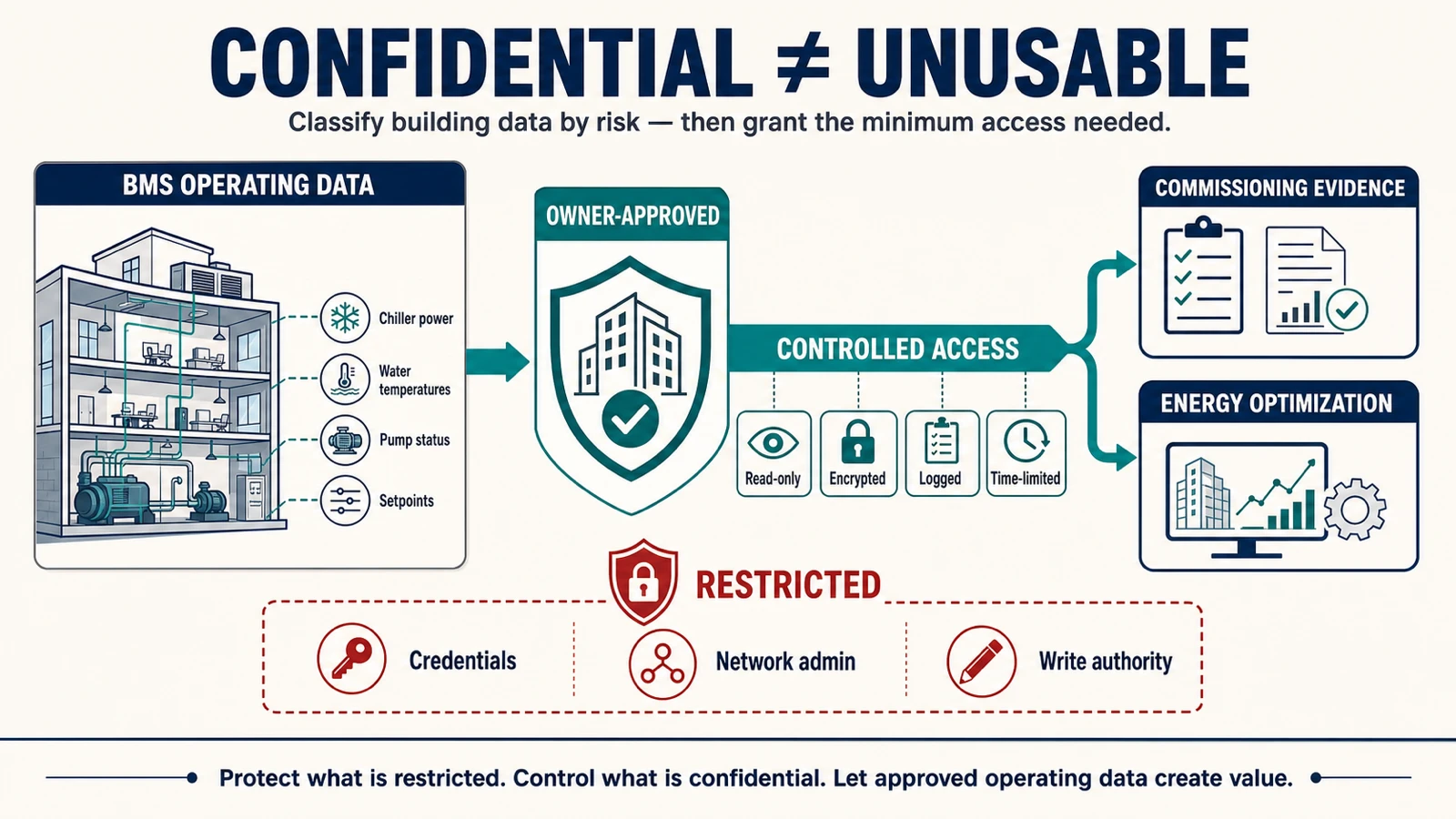
Building owners can protect sensitive systems and still authorize controlled access to the operating data needed to verify performance and reduce energy waste.
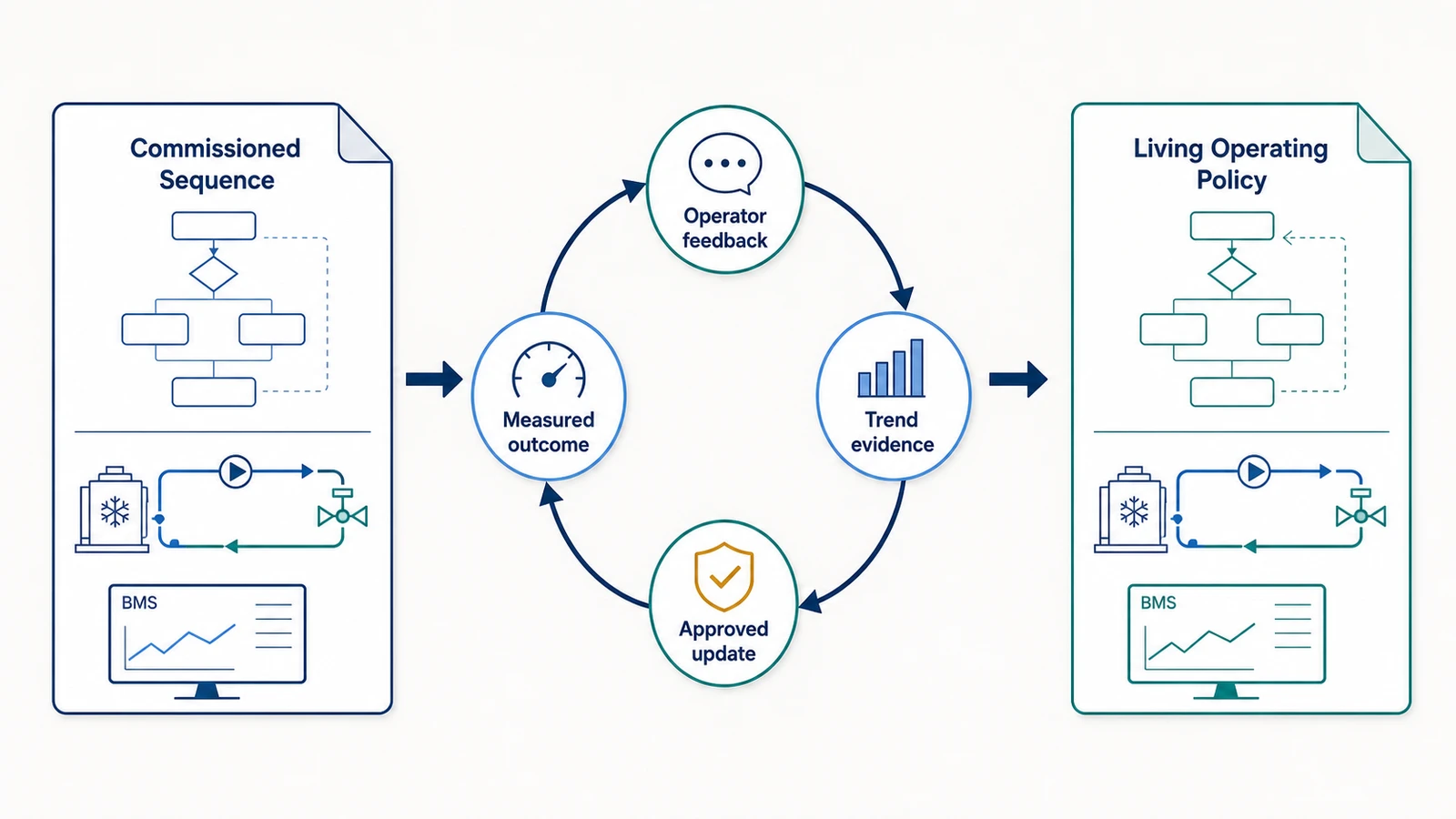
HVAC sequences should evolve through visible operating evidence, ownership, review, and measurement—not be treated as static documents from commissioning.
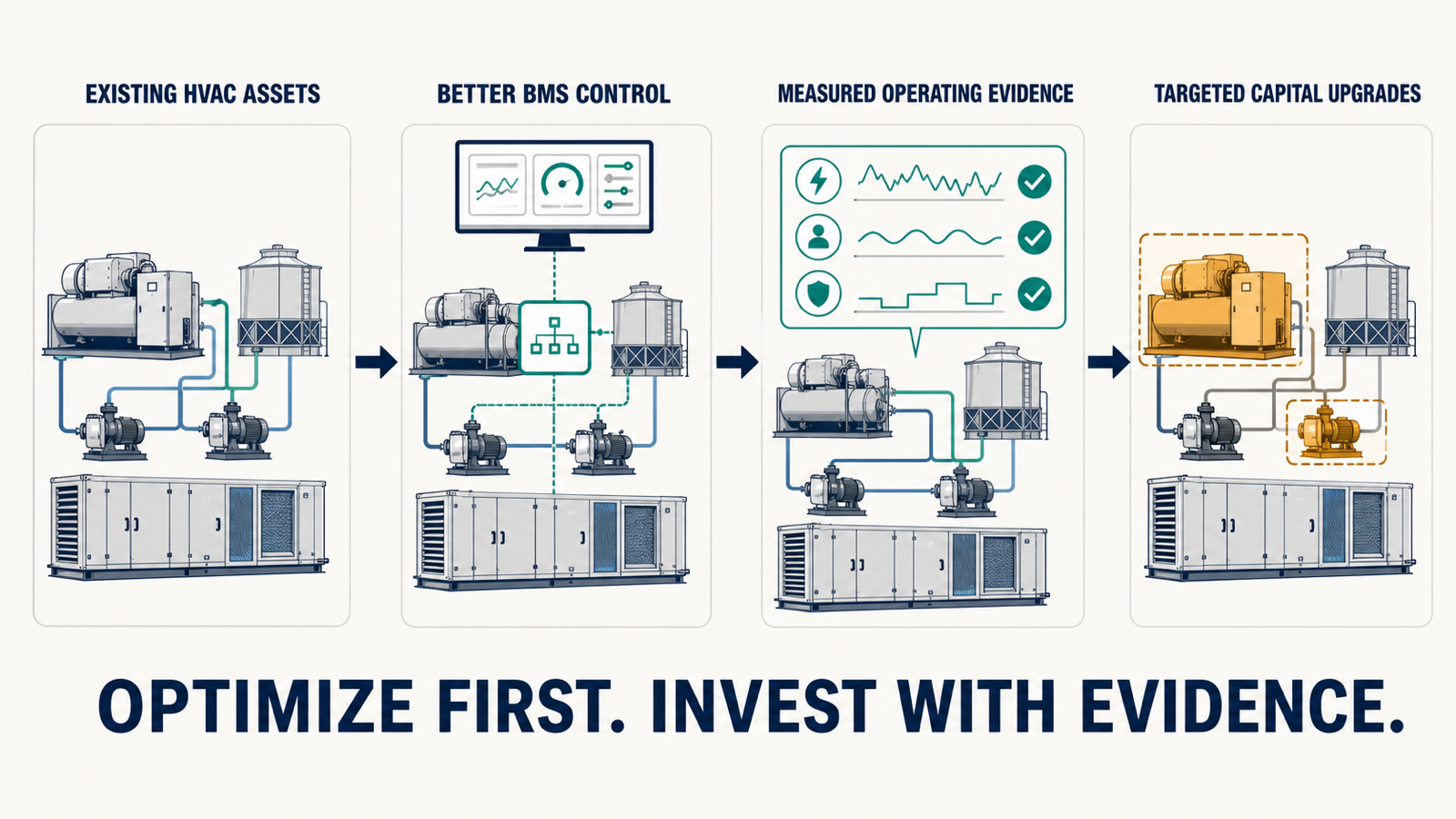
Capital constraints do not have to freeze HVAC improvement. Better control can unlock more value from existing equipment and produce better evidence for the upgrades that still matter.
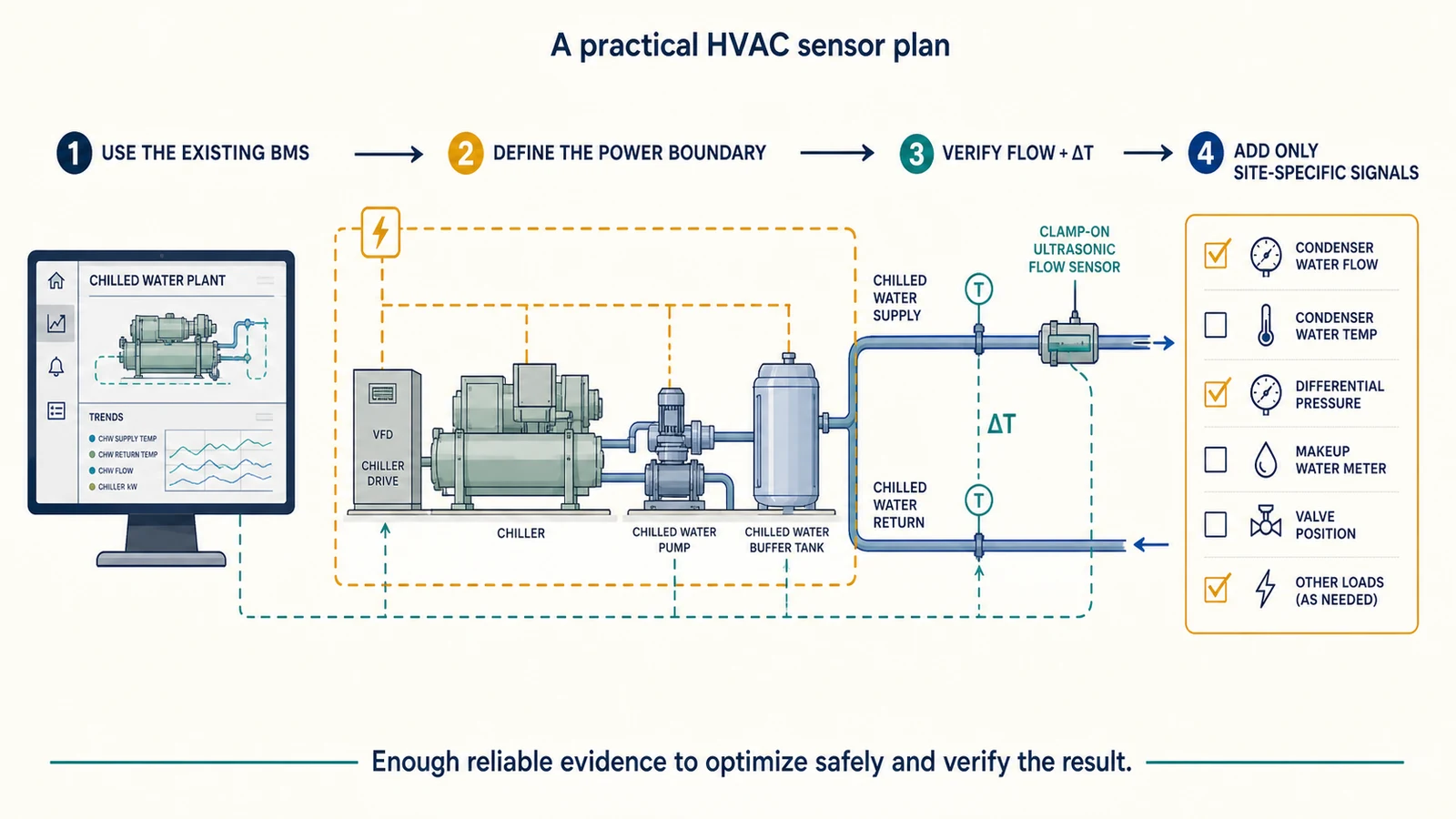
A practical HVAC sensor plan starts with existing BMS data, reliable electrical metering, verified flow, and site-specific measurement requirements.
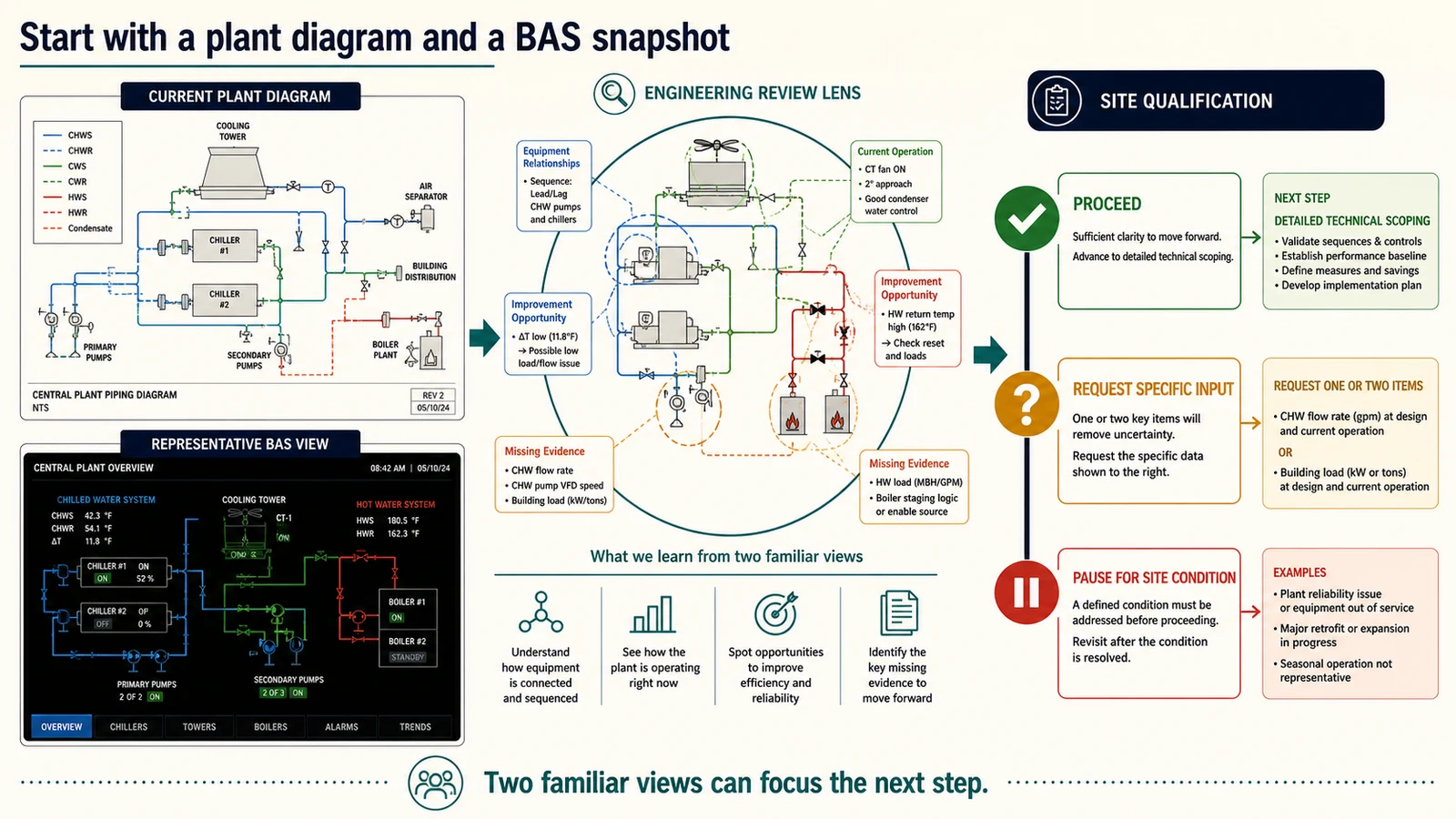
A plant diagram and representative BMS screenshots can support a useful Site Qualification review that identifies opportunities and focuses the next data request.
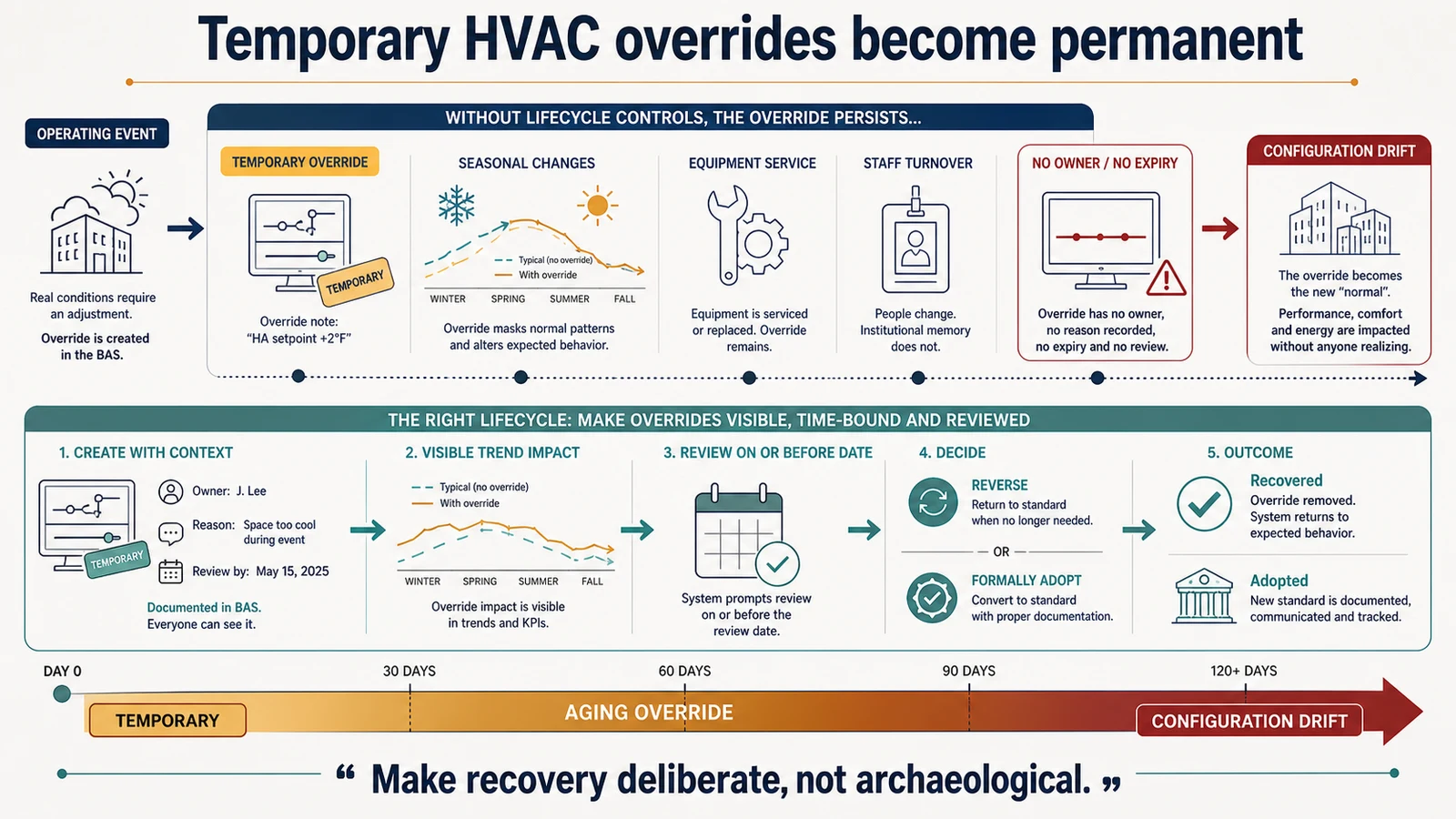
Temporary HVAC overrides can quietly become permanent BMS configuration drift. Preserve operational intent with ownership, expiry, audit trails, and reversible supervisory control.